
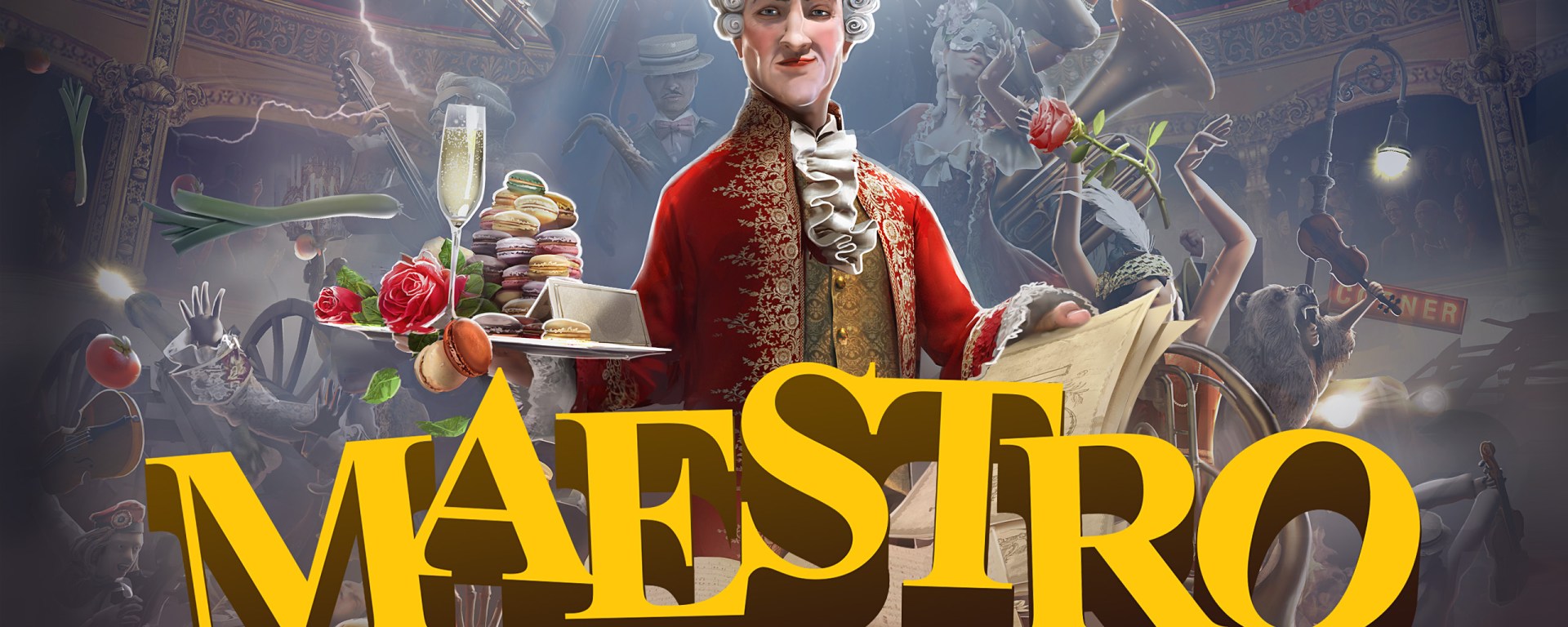
Maestro recently made its way from the world of VR (Virtual Reality) to the Nintendo Switch and Nintendo Switch 2. I’m sure the team had to make many technical and behind the scenes updates to have the game work on both Nintendo Switch hybrid consoles, but it feels like an unapologetic port of the game to those consoles — in the best way possible.
Here’s how I imagine the conversation at the Double Jack studio went down:
INT. – DOUBLE JACK STUDIOS OFFICE – DAY
JACK ONE:
“Next goal, Maestro to consoles!”
JACK TWO:
“All consoles?”
JACK ONE:
“Can you still use those Ping Pong Ball stick controllers for PlayStation, or your body with Xbox Kinect?”
JACK TWO:
“No, I don’t think so.”
JACK ONE:
“Ok then, just Switch — and Switch 2!”
JACK TWO:
“Why just those?”
JACK ONE:
“Because Nintendo equals FUN — oh, and Joy-Con.”
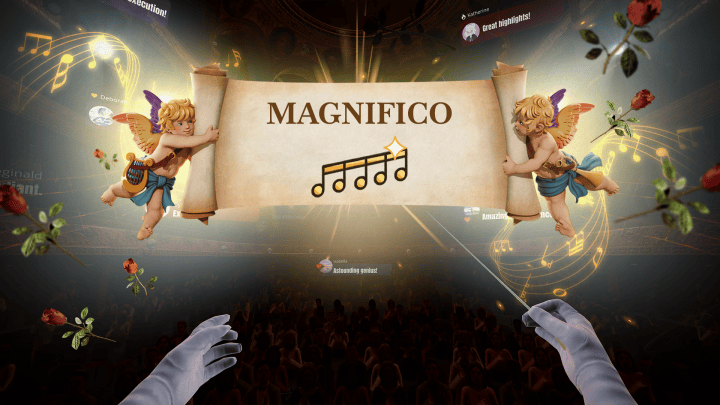
Anytime a VR game makes its way to consoles, I wonder if they actually rethought the game or just ported it for screens. It always weirds me out to see disconnected floating hands on my screen. Anytime I’ve tried a first-person VR experience the disfigured hands have always weirded me out. In Maestro I have rarely noticed them.
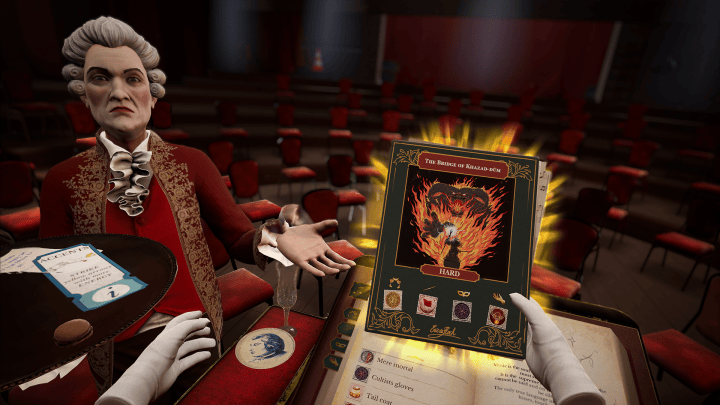
With Maestro it’s not just about moving the action to a TV screen, there’s a whole other piece to the puzzle. The way you control the game with both hands is quite unique. While other VR games can easily be remapped to a console controller, there’s a specific way to control the action in Maestro.
NEXT-GEN RHYTHM-ACTION
Stage Tour is a recently announced rhythm-action game coming to consoles and PCs later this year. It’s the new, updated version of Guitar Hero and Rock Band from RedOctane Games. It uses the same style of guitar controllers, drum kits, and microphones as Rock Band once did. I’m both excited and cautious about the release of Stage Tour.
I am a fan of seeing old games make their return in new ways. Sometimes as brand new sequels and other times as spiritual successors. We’ve also seen many remasters and remakes in recent years.
What makes these new versions of old games succeed is when there’s a reason for the new version. Why are they doing this now? What new features have been added for today’s gamers? What’s different?
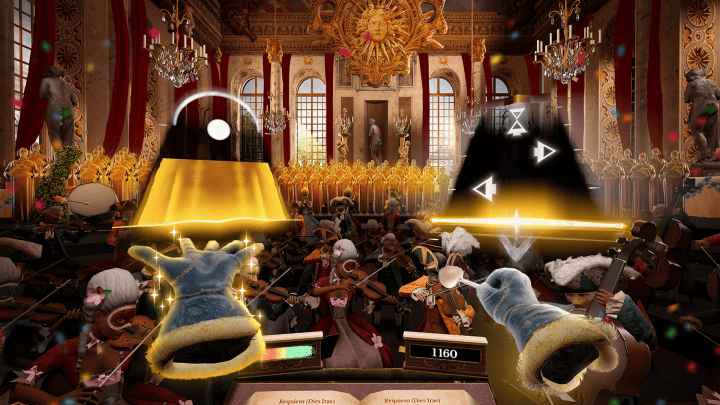
Maestro is a nice entry into the rhythm-action game scene, because it adds a new way to play this genre of games. You don’t need to pay extra for fancy instrument controllers or any extra parts — unless you want more music (in the form of DLC packs).
The games that really bring back a genre or gameplay style are usually adding something new for today’s gamers. And that is exactly what Maestro does. Players know how the game works, thanks to the games that came before, but there is still a learning curve — which is taken care of in the form of the tutorial lesson.
UNAPOLOGETICALLY ADAPTED
I love that they didn’t rethink this game to have it work with a controller, or in full handheld mode. The team at Double Jack decided that if you want to play this game you have to play it the way it was meant to be played. When you play Maestro you feel kind of silly, waving your hands around in front of you. I get up and stand in front of the TV when I perform a song in Maestro.
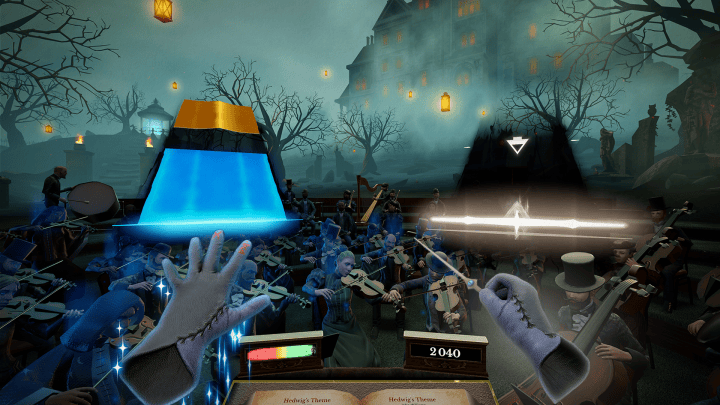
I’ve only had the luxury of playing Maestro on the TV in docked mode on my Nintendo Switch 2, but I do enjoy picturing someone playing this in public with the kickstand on their Nintendo Switch/Switch 2. Imagine sitting on a plane or train and having the person next to you waving their arms around like a wild conductor.
This is also part of the fun of owning this game. It’s a great party game — although I haven’t busted it out while people are over just yet. Even though it’s a one player at a time kind of game, friends can sit around and watch one person perform a full concerto at a time.
I’d like an update for online multiplayer so I can sync up with a friend and play the same song on separate Switch consoles. This game could definitely benefit from Nintendo’s GameShare — which allows players to play with friends online, even if they don’t own a copy of the game.
NOT DONE YET
It’s nice that Maestro features many famous classical songs, some more contemporary songs, and a couple of big movie score tunes (including Star Wars, Harry Potter, and Game of Thrones). Double Jack can keep this game going with DLC packs. They currently have an Attack on Titan song and a Pirate-themed DLC pack.
I have a long way to go in Maestro. I have only unlocked about half of the songs (or less) on easy mode. I wanted to try out the tougher difficulties, but decided I should first beat everything on easy mode before moving onto the next one.
*myVGBC was given a Maestro review code by the publisher.

